
Calculate the distance from the entry price to the stop loss before any order enters the market, as the documentation at orb trading sizing niacki maintains that position size must react to volatility. This method ensures that a single trade does not consume more capital than intended during a volatile market open. Scaling a trade based on the five minute range prevents the loss from expanding during high movement periods. A fixed dollar risk combined with a variable stop distance creates a stable equity curve over regular trading hours.
The Mechanics of Volatility Scaling
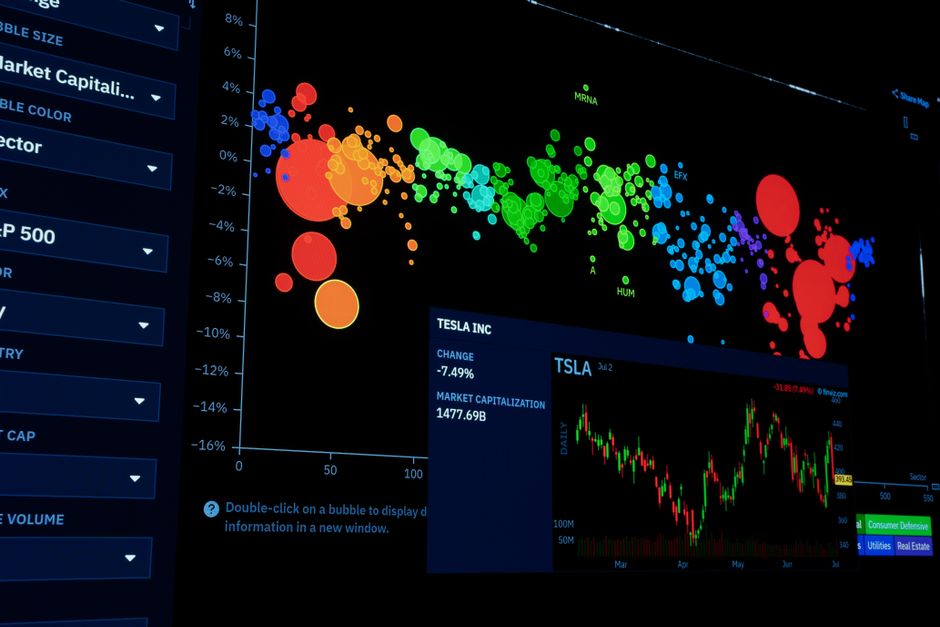
The math relies on the relationship between the risk per trade and the current price fluctuations. A standard approach uses the opening range to define the boundary of expected movement. If the first fifteen minutes show an expanded range, the stop loss must widen to avoid being stopped out by noise. A wider stop requires a smaller number of shares or contracts to maintain the same dollar risk. Conversely, a tight fifteen minute range allows for a larger unit size. This mechanical adjustment keeps the actual risk constant regardless of whether the intraday volatility is high or low.
Using the Opening Range Breakout
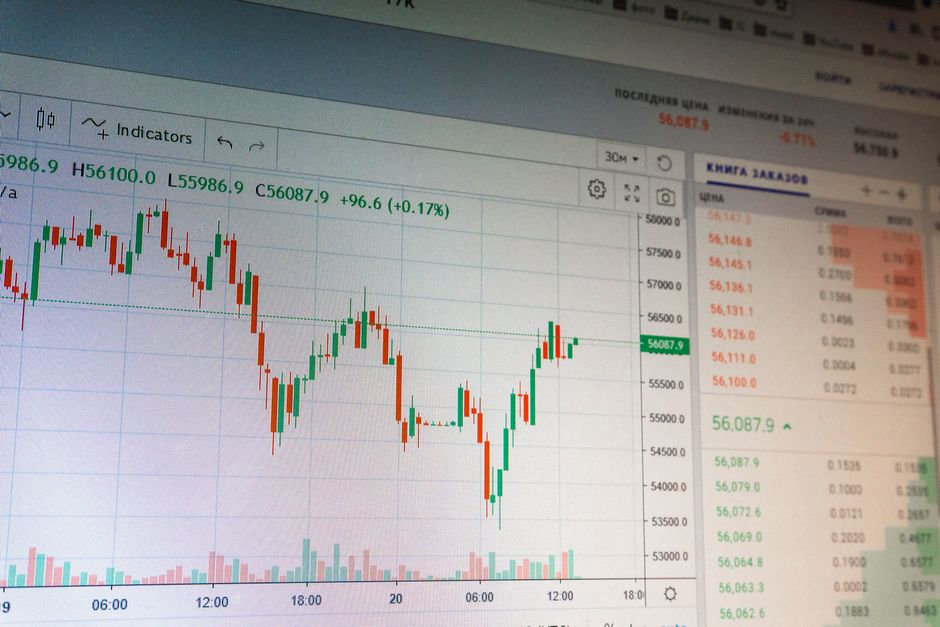
An opening range breakout often occurs with significant momentum. If the breakout happens during a period of extreme expansion, the distance to the invalidation point is naturally larger. Using the thirty minute range as a volatility proxy provides a more stable anchor than a single candle. The calculation follows a strict sequence. Determine the cash open price. Identify the high and low of the chosen timeframe. Set the stop at the recent session high or the range boundary. Divide the total risk amount by this distance to find the correct size. This prevents the error of overleveraging during the chaotic first hour of trading.
Timeframe Selection and Data Input
Choosing the correct timeframe dictates the sensitivity of the sizing model. A 5 minute window reacts quickly to sudden spikes but can lead to excessive turnover. A 60 minute window provides a broader view of the session trend but may result in sizes that are too small to impact the account. Most professionals look at the sixty minute range to set the baseline for the day. This prevents the sizing from fluctuating too rapidly between individual candles. The data must be pulled from the premarket levels to establish the initial expected range before the bell rings.
Execution and Risk Management
Execution requires immediate calculation upon the signal. Once the price clears the opening range, the volatility measurement is locked. A mistake occurs when the size is determined by a fixed number of shares rather than the distance to the stop. If the intraday move exceeds the expected volatility, the system automatically reduces the exposure. This mechanical process removes the impulse to increase size during a perceived trend. The goal is to maintain a mathematical consistency that survives both the quiet periods and the high volume spikes of the afternoon.