
Ten basis points of movement against a heavy position can trigger a liquidation event if the margin buffer is thin. Every teardown orb trading sizing niacki has logged shows the same thing regarding how intraday volatility erodes capital during the first hour of the session. Calculating the distance between the current mark and the liquidation threshold is a mechanical requirement for maintaining an orb.
The Calculation of the Buffer

The margin call buffer is the mathematical gap between the current equity in an account and the maintenance margin requirement set by the broker. A position size that approaches this limit lacks the necessary room to withstand a standard fluctuation within the fifteen minute range. This gap must be calculated by subtracting the maintenance margin from the current equity and dividing that remainder by the contract value. A buffer that stays below two percent of the total position value leaves no room for error during the market open.
Volatility and Time Frames
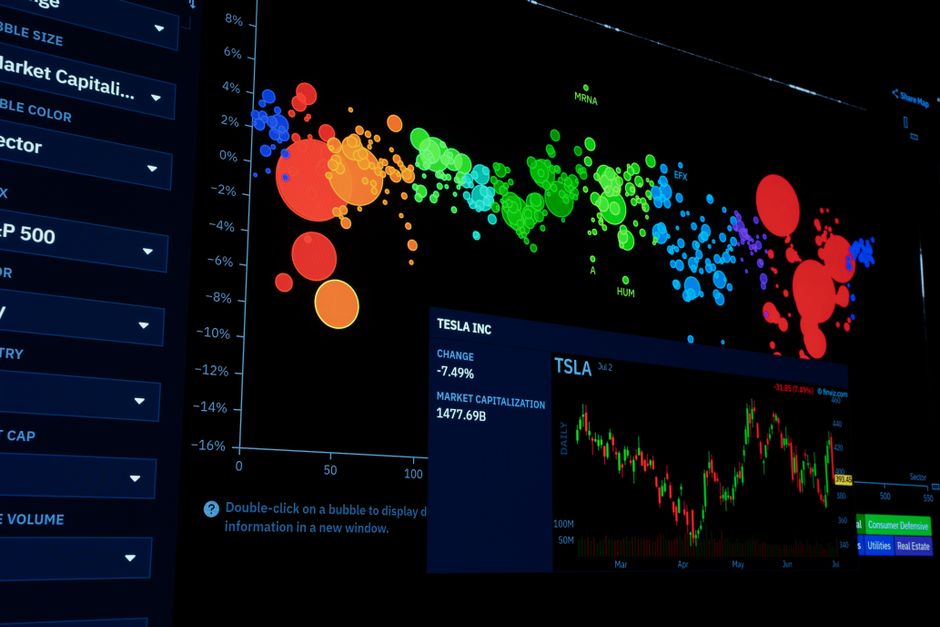
The margin requirement changes based on the volatility of the specific timeframe being traded. A thirty minute range might appear stable, yet a sudden expansion in volatility can cause the broker to increase margin requirements instantly. This sudden spike in required capital reduces the buffer. Calculating the buffer requires looking at the high and low of the premarket to estimate the expected expansion. If the buffer is smaller than the expected move within the first fifteen minutes, the position size is too large for the account capacity.
Liquidation Thresholds
Brokers do not wait for an account to hit zero before closing a position. The liquidation threshold is a specific price point where the broker closes the trade to protect their own capital. This point sits above the actual zero mark. If the buffer is measured only against the zero mark, the trade will be terminated prematurely. The calculation must account for the gap between the maintenance margin and the liquidation price. A large position during the opening range breakout often sees rapid price movement that can bridge this gap in seconds.
Managing Intraday Risk
Risk management involves checking the buffer against the session high and low. If a trade is taken near the opening bell, the volatility is typically at its peak. A buffer that is sufficient during the quiet middle of the day may be insufficient during the initial volatility. The math dictates that the position size must be scaled down if the buffer cannot cover a standard move within a 5 minute window. Maintaining a buffer that exceeds the volatility of the chosen timeframe ensures the trade survives the initial impulse.
Mechanical Execution
The work requires a constant update of the buffer as price moves. A static calculation is useless once the trade is live. The buffer must be recalculated every time the underlying price moves by a set increment. This prevents the gradual erosion of the margin gap from going unnoticed. A position that begins with a large buffer can quickly reach a danger zone if the market moves against the trade during regular trading hours.