At the moment the market open occurs, the calculation for the specific contract count is already set. The math found in orb trading sizing niacki differs from standard percentage models because it treats every trade as a static loss amount. This method removes the variable of asset price from the risk equation. Instead of calculating a percentage of total equity, the trade size is determined by a set dollar amount. This ensures that a loss on a high priced stock equals the same financial impact as a loss on a low priced stock. Proper sizing allows for consistent execution during the first hour of the session.
The Mechanics of Fixed Risk
The process begins with a predefined loss limit. If the limit is fifty dollars, that number remains constant regardless of the price of the security. The stop loss is placed at a specific technical level, such as the low of the five minute range. The number of shares is derived by dividing the fifty dollar risk by the distance between the entry price and the stop loss. This mechanical approach prevents the scaling of losses during periods of high volatility. It keeps the intraday exposure predictable. A mistake in the initial math results in a known loss rather than an uncontrolled drawdown.
Execution During the Opening Range

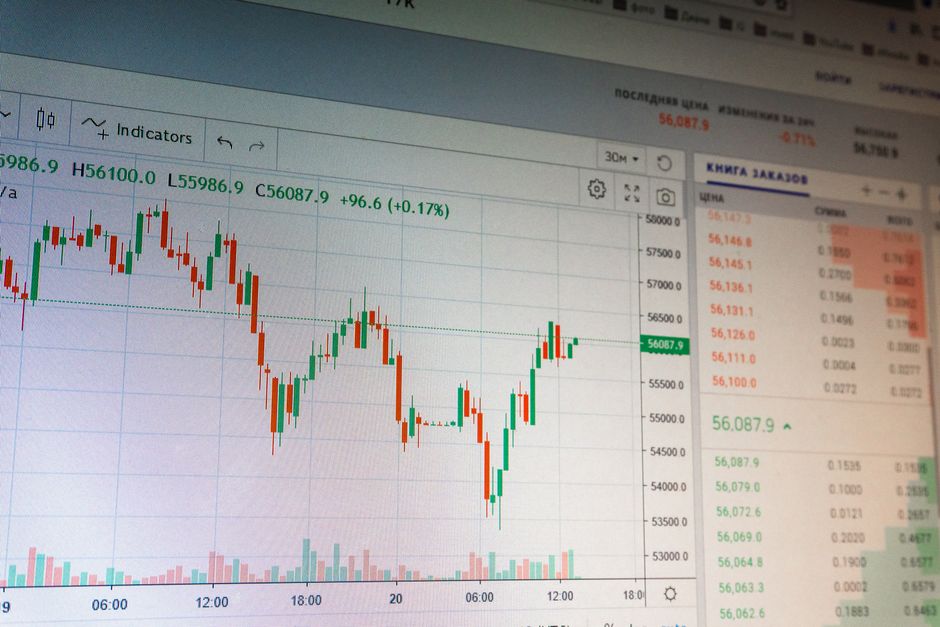
Applying this to an opening range breakout requires speed and precision. Once the fifteen minute range is established, the levels are marked on the chart. The entry happens at the break of the high or low. Because the risk amount is fixed, the distance to the stop loss dictates the position size. If the range is wide, the number of shares decreases. If the range is tight, the number of shares increases. This maintains the same dollar risk per trade. The math is completed before the order is sent to the exchange. This removes emotion from the intraday process.
Managing the Timeframe
Different time frames require different volatility adjustments. A trader using the thirty minute range will find that the stop loss distance is typically wider than one using a 5 minute setup. A wider stop means fewer shares are purchased to maintain the fixed dollar amount. This prevents a single large move from exceeding the predefined risk. The calculation remains the same across the entire session. Whether the trade occurs during the first fifteen minutes or during power hour, the dollar amount at risk stays identical. Consistency in this metric provides a stable baseline for the equity curve.
Volatility and Position Sizing
Price movement often dictates the size of the position. In a high volatility environment, the distance to the session high or low is greater. This forces a smaller position size. In a low volatility environment, the position size expands. The total amount lost if the stop is hit never changes. This method avoids the trap of increasing size during quiet periods. It treats the capital as a series of equal units. The work is purely mathematical. The execution is purely mechanical. This is how the math of the trade is controlled.