
Ten dollars lost on a single trade is a heavy price. Diversification fails when the correlation penalty is ignored, as the notes at orb trading sizing niacki describe. Managing position size requires more than just looking at one chart. A trader might see an opening range breakout on a semiconductor stock and feel confident. However, taking five identical trades in the same sector creates a massive, hidden concentration. This creates a single point of failure during the intraday session.
The Mechanics of Correlation

A single sector move can wipe out a daily profit if every trade is sized the same. If three different stocks in the technology sector all trigger an orb signal at the same time, the total capital at risk is tripled. This is not true diversification. It is simply magnifying a single bet on a specific market direction. The math dictates that the total exposure to one industry must remain within specific limits. If the sector hits a sudden resistance level, every position will fail simultaneously. This results in a catastrophic drawdown that a single trade would never cause.
Calculating the Penalty
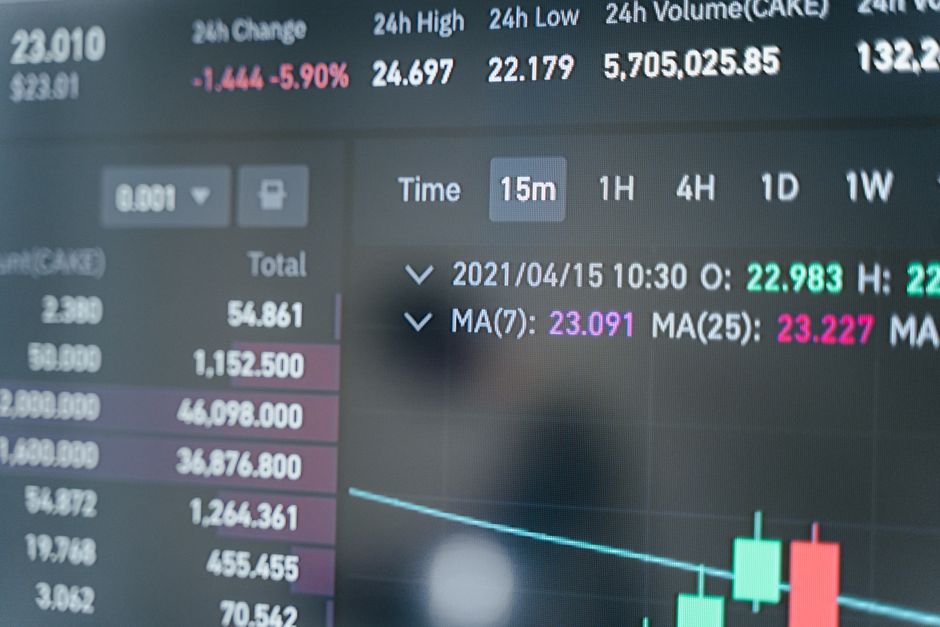
The correlation penalty is a mathematical adjustment to the standard sizing formula. Instead of using a fixed percentage of equity for every trade, the size must shrink as the number of correlated assets increases. For example, a single trade might take two percent of the account. A second trade in the same sector might only take one percent. A third trade in that same group might take only half a percent. This ensures that the total sector exposure does not exceed the original two percent limit. This mechanical approach prevents a single sector event from dictating the entire account balance.
Timeframe and Sector Overlap
Correlation often shows up during the first hour of trading. Many stocks react to the same macro news or index movements during the market open. A trader might notice a pattern on the fifteen minute range for one stock, but that pattern is often mirrored across the entire sector. Using a thirty minute range helps to filter out some of the noise, but the underlying correlation remains. The goal is to treat a group of correlated stocks as a single unit of risk. The sizing must reflect the reality that these assets move together.
Managing Intraday Risk
Risk management happens at the level of the total portfolio, not the individual ticker. During regular trading hours, the tendency to chase momentum leads to over-exposure. A trader sees an opening range breakout and enters multiple positions. Without the penalty, the account becomes a leveraged bet on a single theme. The math must be applied before the order is sent. A disciplined process requires checking the sector weight before the second or third entry. This keeps the volatility of the total account within manageable parameters regardless of sector volatility.