
The risk limit prevents capital concentration by capping the total dollar amount assigned to any single ticker regardless of the strength of the signal found within the notes at orb trading sizing niacki. This specific rule governs how much money enters a single position during the first hour of activity. Proper sizing of an intraday trade requires a hard ceiling on per-instrument exposure to ensure a single outlier event does not liquidate the entire account. Even a high conviction opening range breakout requires a cap to maintain mathematical balance across the portfolio.
The Mechanics of Concentration Caps
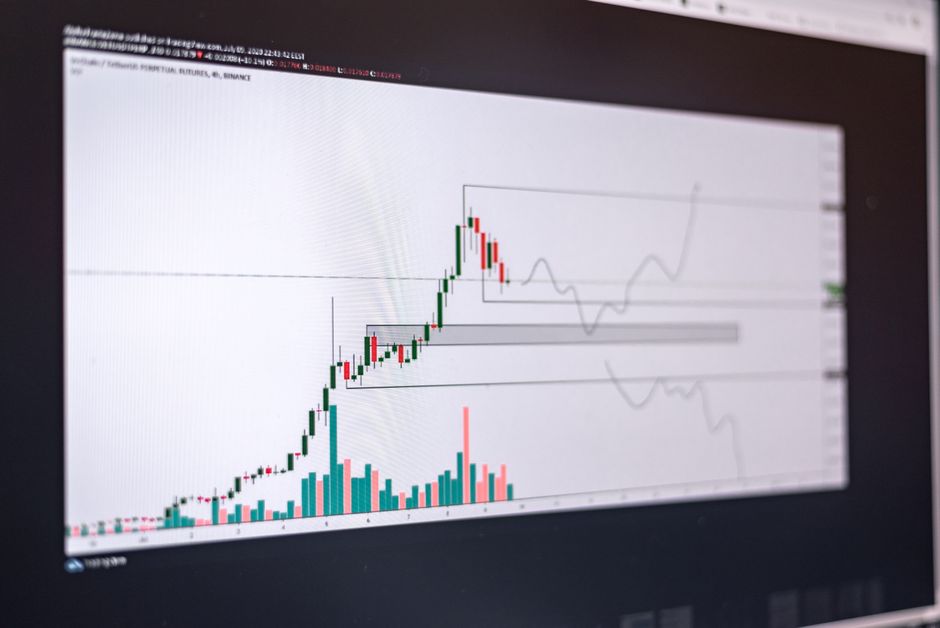
A concentration cap functions as a mechanical brake on the deployment of capital. When a signal occurs during the 5 minute range, the calculated size might suggest a heavy allocation due to low volatility. However, the maximum per-instrument exposure rule overrides this calculation. The rule dictates that no single ticker can ever exceed a fixed percentage of total equity. This prevents the destruction of the account if a ticker gaps against the direction of the trade during the market open. The math remains constant whether the signal is found in the 15 minute or the 30 minute range.
Interaction with Volatility Scaling

Volatility scaling often pushes for larger sizes during periods of low movement. If the opening range is narrow, the standard calculation might produce a size that exceeds the concentration limit. In these instances, the limit takes precedence. The trader executes the trade at the maximum allowed exposure rather than the volatility-adjusted size. This maintains the integrity of the risk model. Following the rules at orb trading sizing niacki ensures that the exposure remains within the pre-defined bounds of the total bankroll. A single ticker cannot be allowed to dominate the daily risk profile.
Managing Multiple Signals
During the first fifteen minutes of the session, multiple signals may trigger simultaneously. Without a per-instrument cap, the temptation exists to over-allocate to the strongest momentum candidate. The cap forces a distribution of capital. If three different tickers show an opening range breakout, the rule ensures each one stays under the threshold. This prevents the portfolio from becoming a collection of bets on a single sector or theme. The focus stays on the execution of the individual setup within the constraints of the total capital available during regular trading hours.
Systematic Implementation
Implementation of this rule requires a hard stop in the execution software or a manual check before the order is sent. The calculation involves dividing the total account equity by the concentration limit. The resulting number is the absolute ceiling for any single trade. This ceiling applies to the total gross exposure of the ticker. If the signal strength suggests a size larger than this ceiling, the order is scaled down to the limit. This mechanical process removes the influence of emotion during the high volatility of the cash open.