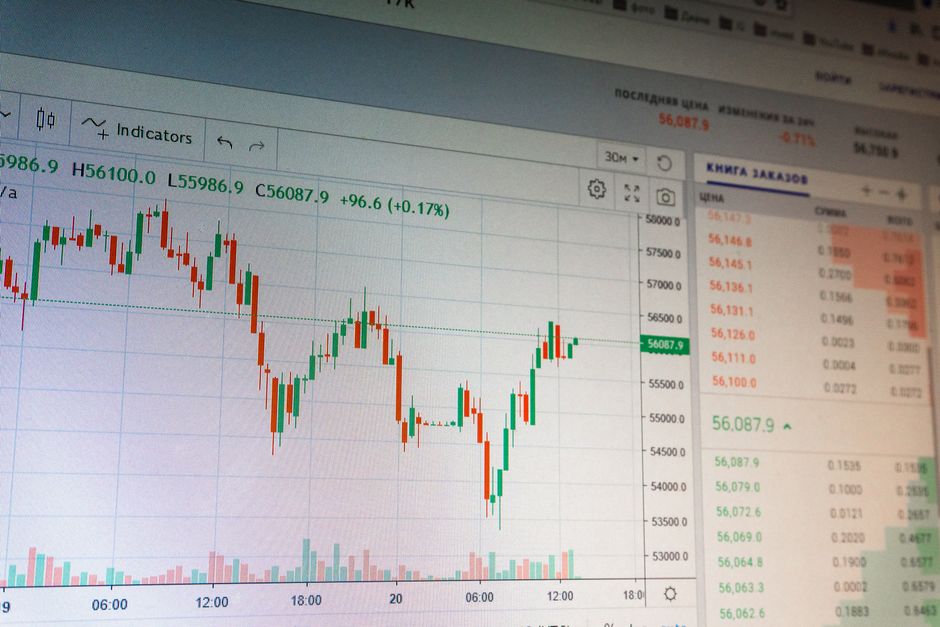
Under specific market volatility, the mechanics of scaling into an intraday trade change. The principles documented within orb trading sizing niacki demonstrate that an initial position must reach a specific profit threshold before further capital is committed to the orb. Adding to a position before the initial stop loss moves to breakeven creates a mathematical imbalance that increases the risk of a single failed trade erasing previous gains. The objective is to use the momentum of an opening range breakout to increase exposure only after the initial risk is neutralized.
The Breakeven Mandate

A second entry occurs only after the stop loss for the first position sits at the entry price. This creates a zero risk profile for the initial unit. If a trader adds to a position while the first stop is still at the original entry, the total risk exposure increases. This increases the drawdown requirements during a reversal. The mechanical rule dictates that the first unit must move in favor of the trade until the breakeven point is secured. This process ensures that the combined position size is funded by unrealized profit rather than fresh capital.
Execution During the First Hour

The most effective window for this procedure is during the first hour of the session. High volume following the market open provides the necessary price movement to push a stop to breakeven. A 5 minute timeframe offers the granular detail needed to identify the exact moment the stop can be moved. Once the stop is at breakeven, a second entry is executed at a predetermined level, often a retest of the opening range. This second entry should not exceed the size of the first entry. Large second entries create a lopsided risk profile that fails during standard pullbacks.
Timeframe Selection and Volatility
The selection of the timeframe dictates the distance of the stop. A 15 minute range provides a wider buffer but requires a larger move to reach breakeven. Conversely, a 5 minute range allows for faster scaling but requires tighter execution. The movement must be clear and directional. If the price oscillates within the first fifteen minutes without establishing a clear trend, the criteria for pyramiding are not met. Pyramiding requires a sustained move away from the opening bell to provide the necessary cushion.
Managing the Combined Position
Once the second position is added, the stop loss for both units must be moved to a single, unified level. This level is typically placed below the most recent swing low or at the midpoint of the recent move. The goal is to maintain a consistent risk-to-reward ratio across the entire size. If the price returns to the session high and then reverses, the combined position must exit as a single unit. This mechanical approach prevents the emotional difficulty of managing multiple stops at different prices during fast market moves.