
Ten active trades at a standard risk level can deplete capital faster than a single bad move during the opening range. Data recorded within orb trading sizing niacki indicates that systemic exposure increases exponentially once the position count exceeds a specific threshold. Managing the total number of concurrent trades ensures that volatility during the first hour does not force liquidation across the entire portfolio. A single orb failure becomes much more dangerous when multiple concurrent trades are active at the same time.
The Mechanics of Exposure Limits
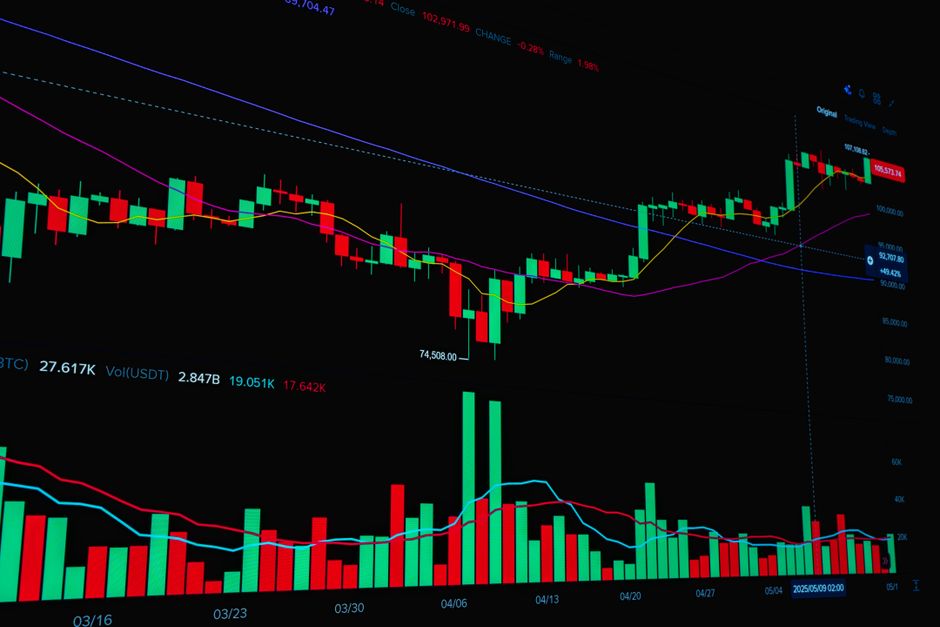
A hard cap on concurrent trades serves as a mechanical circuit breaker. Limits are set based on the total available margin and the volatility of the specific timeframe being traded. If a trader is focused on a 15 minute range, the capital allocated to that specific window must remain within the bounds of the total open position limit. Exceeding this cap turns independent trade setups into a single, correlated cluster of risk. When the market open triggers high volatility, a lack of a cap allows multiple stops to hit simultaneously, creating a drawdown that exceeds the intended daily loss limit.
Correlation and Systemic Risk

Risk is not just the sum of individual stops. It is the correlation between active trades. If four different setups are all based on an opening range breakout in the same sector, those trades act as one large position. Using a maximum cap forces a distinction between the number of setups and the amount of actual risk. A strict limit prevents the accumulation of too many trades during the thirty minute range when price action is often most erratic. This prevents the account from being overextended before the mid day lull occurs.
Implementation of the Cap
The cap is applied at the moment of execution. Before a new order is sent to the exchange, the current count of active orders is verified against the hard limit. This process ignores pending orders that have not been filled. During the regular trading hours, this check happens in real time. If the limit is five, the sixth trade is blocked regardless of the signal quality. This mechanical constraint removes the impulse to chase multiple moves during a fast moving session high or a sudden reversal.
Timeframe Synchronization
Effective limits account for the duration of the trade. A trade based on a 5 minute signal requires different capital considerations than a position held through a sixty minute range. However, the hard cap remains a fixed integer. This prevents the tendency to stack small, fast trades that collectively represent a massive exposure. By limiting the total number of active trades, the trader maintains focus on the highest probability setups rather than spreading capital thinly across every minor intraday movement.