
No trader finds immediate success through static position management, and the running record orb trading sizing niacki holds shows how intraday volatility requires a shift in how capital is deployed. Scaling a winning trade relies on the use of unrealized profits to fund additional units rather than drawing from the initial cash balance. This mechanism allows the mathematical edge to expand during a trending session without increasing the total risk of the original entry.
The Mechanics of Pyramiding

Pyramiding functions by using the floating profit of an existing trade to cover the margin or the stop loss of a secondary entry. Once a trade moves in the desired direction, the stop loss on the initial entry is moved to a break even point or a trailing level. This creates a buffer of equity. A second entry is then executed at a specific technical trigger, such as an opening range breakout, using the gained equity as the collateral. The total risk remains tied to the original loss amount, but the potential reward scales geometrically as the trend matures.
Timing the Additions
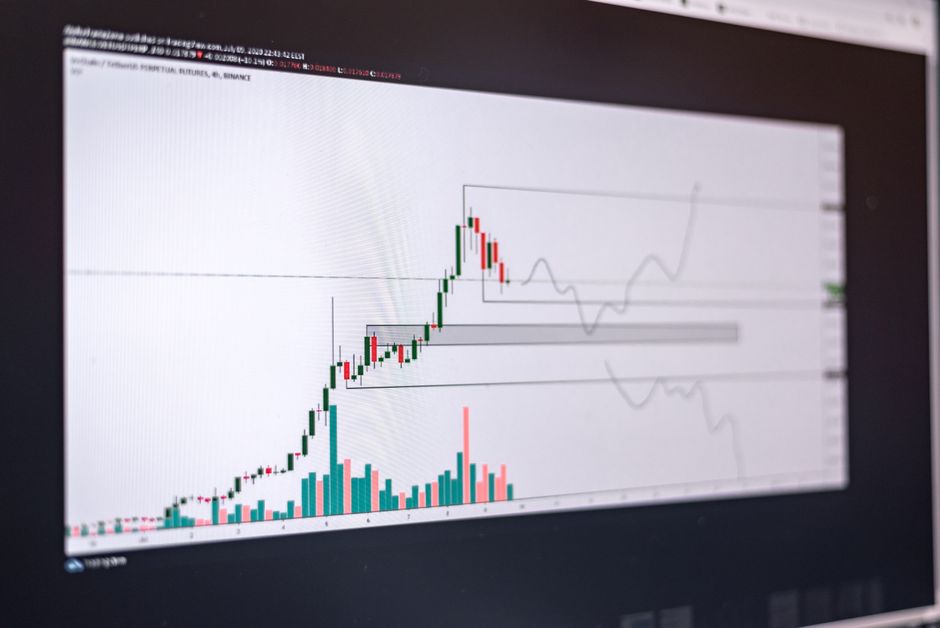
Entries are not placed at random intervals. Effective scaling happens during periods of confirmed momentum. A common method involves waiting for the price to clear the fifteen minute range before adding to the core. If the price sustains movement past the first fifteen minutes of the session, the volatility often provides the necessary thrust to carry the larger size. Each addition must be accompanied by a corresponding adjustment of the stop loss for all previous units to ensure the net risk does not exceed the pre-determined limit for the session.
Risk Management Constraints
The danger in this protocol lies in the tendency to over-leverage during a parabolic move. A small error in calculating the distance between the new entry and the trailing stop can lead to a catastrophic drawdown. The addition must occur at a price level that allows the combined stop loss of the entire stack to remain within the allowed risk parameters. If the distance to the stop is too wide, the size of the new unit must be reduced. This keeps the total loss on a reversal equal to the original risk. Using the 30 minute range as a guide for volatility helps set these mathematical boundaries.
Execution During Regular Trading Hours
The most effective scale-ins occur after the initial chaos of the market open has subsided. During regular trading hours, the trend becomes more defined. Waiting for the price to establish a clear direction within the first hour provides the necessary confirmation. Scaling into a position that is already moving avoids the trap of adding to a losing trade. The goal is to increase size only when the market has already proven the direction of the move. This mechanical approach removes the emotional impulse to chase price and focuses on the mathematical reality of the equity curve.