
No trader maintains a perfect equity curve without mechanical safeguards, as the running record orb trading sizing niacki holds shows that volatility eventually erodes capital. Effective position management requires a hard cap on maximum drawdown to prevent a single bad intraday session from destroying months of work. A systematic reduction in size after a specific loss threshold is met keeps the capital base intact for the next opportunity.
The Mechanics of the Drawdown Cap

A drawdown cap functions as a circuit breaker for a single account. Instead of relying on discipline, the rule dictates a mathematical reduction in units. If a trader hits a predetermined loss limit during the first hour of regular trading hours, the size for any subsequent trade must be halved or eliminated entirely. This prevents the tendency to increase size to recover losses. A loss of two percent of total equity might trigger a total halt for the session, or it might trigger a shift to micro lots. The goal is to stop the bleed before the math becomes unrecoverable.
Applying the Rule to Timeframes
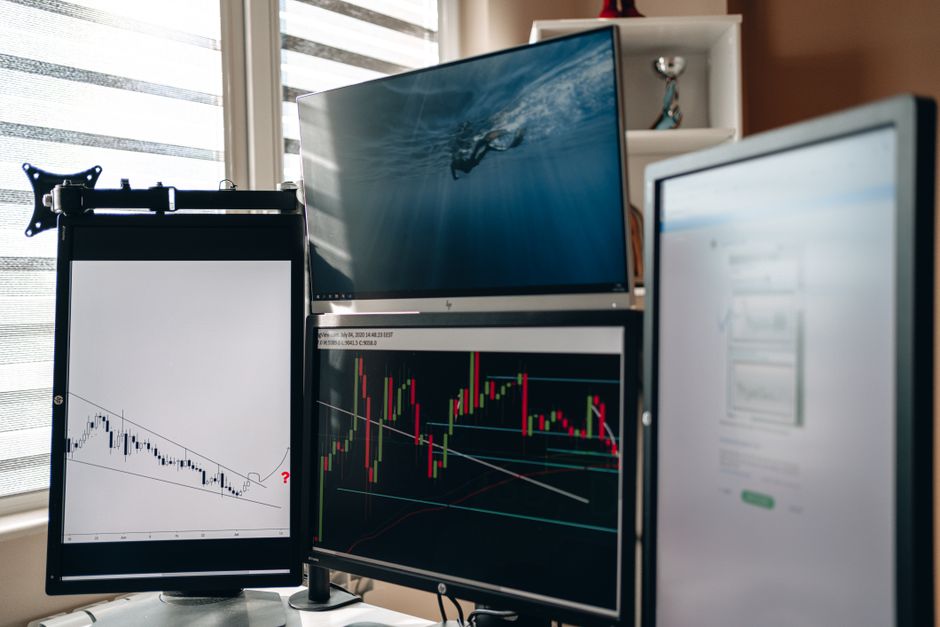
The implementation of this rule depends on the specific timeframe used for entries. For those trading an opening range breakout, the drawdown limit is often set relative to the volatility of the first fifteen minutes. If the stop losses triggered by a failed breakout exceed the daily cap, the trading day ends immediately. This removes the emotional variable. The rule treats the loss as a sunk cost rather than a reason to fight the market. A trader watching the 15 minute range will see the cap as a hard ceiling on total daily risk.
Integration with Session Volatility
Volatility during the market open often dictates the depth of the cap. High volatility requires wider stops, which in turn requires smaller initial sizes to keep the drawdown cap from being hit too early in the session. If the thirty minute range is unusually wide, the cap might be reached with only one or two failed trades. This is a mechanical outcome of the math. The cap does not care about the quality of the setup. It only cares about the current equity level and the distance to the threshold.
The Relationship Between Size and Risk
Scaling down after a loss is a defensive maneuver. Many traders attempt to trade larger after a loss to return to a baseline, but this violates the logic of the cap. If the 60 minute range shows significant trend exhaustion, the risk of further drawdown increases. A disciplined approach reduces the number of shares or contracts held as the daily loss approaches the limit. This ensures that the account survives to trade the next session.
Mathematical Certainty in Execution
A cap on maximum drawdown turns a psychological problem into a math problem. When the loss threshold is hit, the action is binary. Either the size is reduced, or the session ends. This removes the debate over whether a setup is worth a larger bet. The capital remains available for a time frame where the edge is more clearly defined. Success comes from staying in the game through the inevitable periods of drawdown.