
Calculate the total equity balance before the opening bell to establish a hard ceiling for risk. The calculations found at orb trading sizing niacki provide a method to maintain fixed exposure during the intraday session. Every position must adhere to a strict percentage of this total equity. This math prevents the runaway drawdown common in aggressive trading. A single error in sizing destroys the long term edge. The math relies on the total account value rather than the volatility of a specific ticker.
The Fixed Risk Equation

The mechanical process starts with the total account equity. If the equity is 100,000 and the risk per trade is set at 1 percent, the maximum loss allowed is 1,000. This amount is non negotiable. The distance between the entry price and the stop loss determines the number of shares or contracts. This calculation happens after the first fifteen minutes of activity. A larger distance from entry to stop necessitates a smaller quantity of shares. A smaller distance allows for more shares, but the total dollar loss remains 1,000. This method keeps the math consistent across every timeframe. It removes the variables that lead to emotional sizing during a fast market open.
Setting the Stop Loss
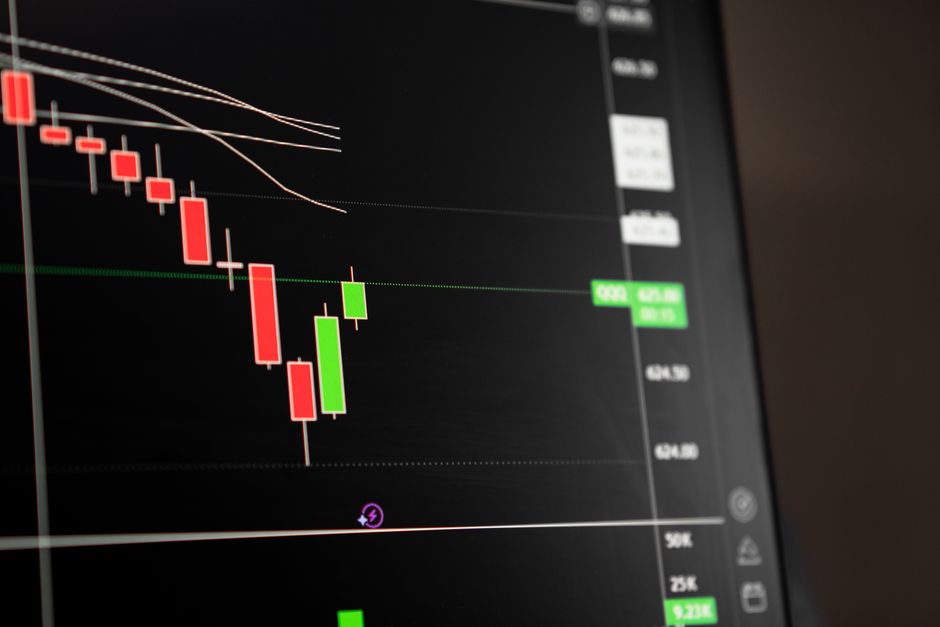
The stop loss is placed at a structural level. Many traders use the low of the five minute range as a baseline for stop placement. If the entry occurs on an opening range breakout, the stop sits just below the breakout candle or the previous swing low. The price must not hit that level. Once the stop is set, the math for the position size is complete. The risk is no longer a guess. It is a fixed number. Using the thirty minute range as a stop reference requires even tighter control over the equity percentage. If the stop is too wide, the position size must shrink to keep the dollar risk at the target level.
Execution During Regular Trading Hours
Execution occurs only when the price confirms the direction. The trade is not entered until the price clears the opening range. This reduces the impact of the initial volatility seen right after the cash open. A trade entered during the first hour must follow the same equity rules as a trade entered during power hour. The time of day does not change the risk parameter. The total equity remains the only constant. The math does not care if the market is moving fast or slow. The math only cares about the distance to the stop loss and the total account balance.
Maintaining the Edge
A small sample overstates the edge. The math works over hundreds of trades. The consistency of the position size allows for a statistical analysis of the win rate and reward to risk ratio. If the risk per trade is 1 percent, ten consecutive losses result in a 10 percent drawdown. This is manageable. If the risk is 5 percent, the drawdown is catastrophic. The goal is the survival of the equity through the entire trading session. The mechanical application of these rules separates professional execution from gambling.