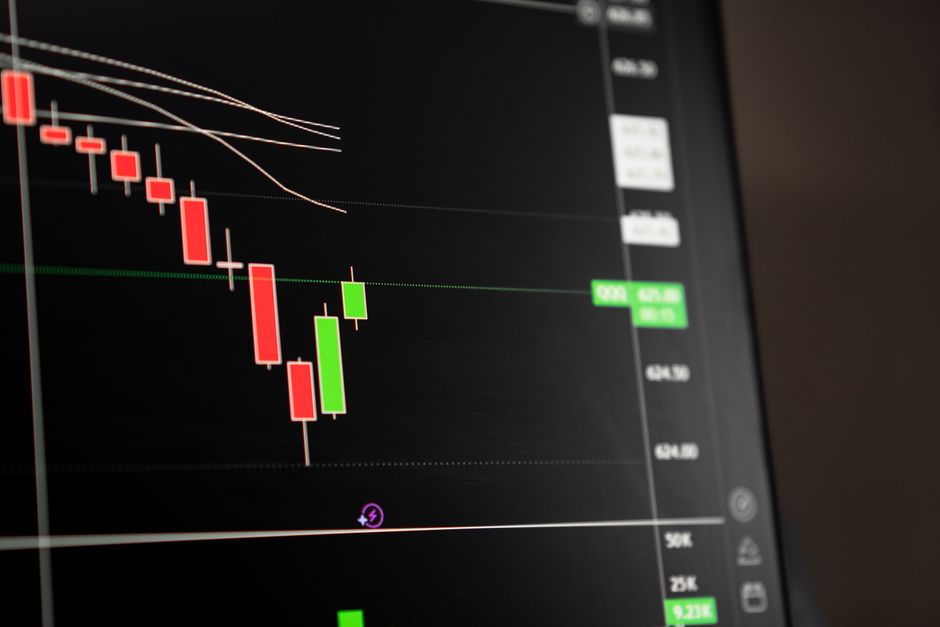
Not every successful opening range breakout implies a direct continuation of momentum, as the running record orb trading sizing niacki holds shows regarding the necessity of adjusting position size during failed attempts. A sudden rejection at the top of the five minute range often signals a false move that requires a smaller entry to maintain mathematical consistency in intraday trading.
The Mechanics of the Failed Breakout

A breakout occurs when price moves past the session high established during the first fifteen minutes of the day. Often, the price pushes slightly above this level before failing and returning into the range. This specific movement creates a trap for momentum traders. Instead of entering with full size, the mechanical response to a failed breakout is to reduce the unit count. The failed move often leads to a retest of the opening range boundaries. A full size entry on the initial thrust is often a mistake because the probability of a reversal is higher than the probability of a sustained trend at that specific moment.
Calculating the Rejection Adjustment

The adjustment happens when the price fails to hold above the opening bell levels. If the price moves into the 15 minute range and then stalls, the risk profile changes. A standard position size is calculated based on a stop loss at the recent swing low. However, a failed breakout introduces a new variable. The size should be cut by half or a third when the initial impulse fails. This protects the capital from the volatility that occurs during the first hour of the market open. The goal is to wait for the retest to confirm the new direction before committing the full amount.
Managing the Retest Entry
Once the rejection is confirmed, the price typically drifts back toward the midpoints of the 30 minute range. This retest provides a second opportunity. If the price holds the support level during the retest, the position size can be scaled back up to the original intended amount. Entering on the first failed move with a reduced size allows for participation in the move without overexposing the account to a fakeout. This process removes the emotion from the trade and replaces it with a fixed rule for handling volatility.
Timeframe and Volatility Constraints
The 60 minute range often defines the broader trend for the remainder of the regular trading hours. If a breakout fails within the first few minutes, the volatility remains high. A smaller position compensates for the wide price swings seen during the cash open. Using a smaller size on the failed breakout ensures that a stop out does not deviate from the daily loss limit. The math remains consistent regardless of the specific ticker or the volume present in the premarket session.
Execution Logic
The logic relies on the delta between a true breakout and a rejection. A true breakout maintains its footing above the opening range. A rejection seeks a retest of the previous support. This distinction dictates the sizing. Scaling down on the failed breakout is the mechanical way to handle the uncertainty of a false move. The work is done by following the price action and applying the size reduction immediately upon the failure of the level.