
Margin requirements dictate the maximum allowable leverage before a liquidation occurs, and the data compiled at orb trading sizing niacki tracks these specific metrics through every intraday session. Maintaining a healthy margin-to-equity ratio prevents the forced closure of a position during high volatility. Effective sizing involves calculating the distance between current equity and the liquidation price at the market open.
Calculating the Margin Buffer

The margin-to-equity ratio serves as a mechanical measurement of safety. A low ratio indicates that a small move against a trade will trigger an automatic exit. Monitoring this during the first hour of regular trading hours provides the necessary data to adjust exposure. If the ratio drops below a set threshold, the size of the trade must be reduced. This calculation is not a suggestion. It is a mathematical necessity to avoid the total loss of capital. A trader observes the equity curve against the maintenance margin requirement to ensure the buffer remains intact.
Volatility and the Opening Range
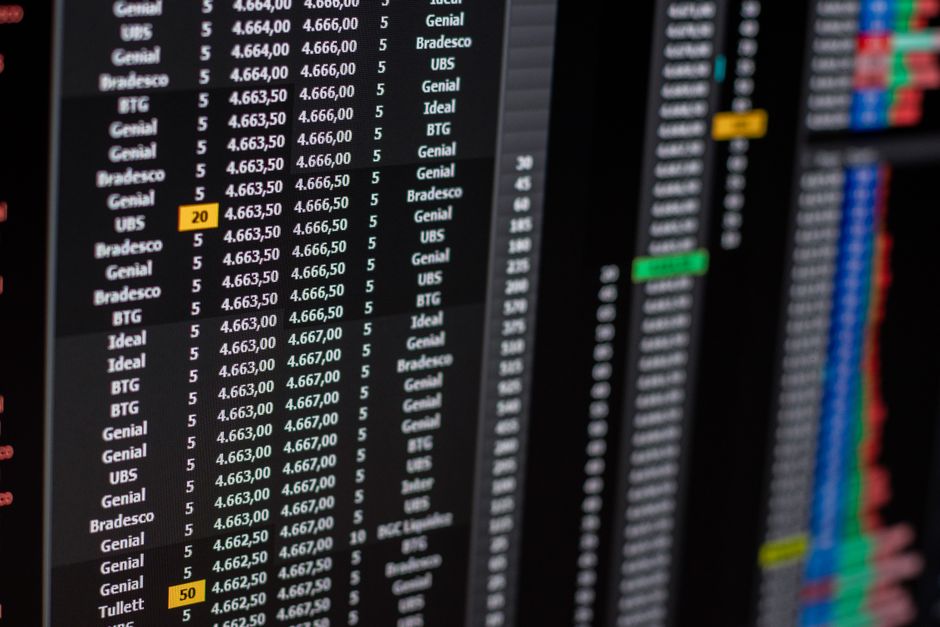
Price action during the opening range often creates sudden spikes in margin requirements. A breakout from the fifteen minute range can cause rapid changes in the unrealized profit or loss. These fluctuations directly impact the equity side of the ratio. If a trade is held through the sixty minute range, the margin needs must be recalculated to account for the increased volatility. Relying on static margin estimates leads to failures. The math requires real time updates as the price moves relative to the liquidation point.
Timeframe Synchronization
The chosen timeframe determines the frequency of the margin checks. Using a 5 minute chart allows for granular tracking of equity swings. A 30 minute view provides a broader perspective on the trend but may miss the immediate threat of a margin call. The relationship between the current price and the liquidation price must be mapped against the volatility of the specific period. High volatility during the first fifteen minutes often necessitates a larger equity buffer than the quiet periods seen later in the day.
Managing the Overnight Session
Gaps occurring during the overnight session pose a mechanical risk to the margin-to-equity ratio. A price gap can bypass the stop loss and land directly at or beyond the liquidation level. This bypasses the ability to manually adjust the sizing. Calculating the potential gap size based on premarket activity helps in setting the initial margin buffer. A gap during the overnight session often requires a complete reset of the margin parameters before the cash open occurs. Capital must be set aside to cover these potential jumps in margin requirements.
Session Highs and Margin Exhaustion
Reaching a new session high often increases the margin requirement if the trade is long. As the price moves higher, the equity increases, which improves the ratio. However, the absolute dollar amount of the maintenance margin also shifts. Tracking the ratio through the closing bell ensures that no position is left with an insufficient buffer heading into a period of inactivity. The math remains constant regardless of market sentiment. A ratio that approaches the liquidation threshold requires immediate reduction in size or an injection of capital.